China Top Expandable Container Home Manufacturer? The question deserves evidence, not polished promises. An Expandable Container Home can arrive folded, then open into a roomier unit with hinged side sections, insulated panels, windows, and basic services. Its value depends on engineering discipline, not appearance alone. Buyers should examine factory experience, production records, material traceability, and completed projects in similar climates.
McKinsey & Company’s 2019 report, “Modular construction: From projects to products,” estimated a potential annual market exceeding $100 billion in Europe and the United States. It also reported possible cost reductions of up to 20% and schedule improvements of 20% to 50% through effective modular production. These figures describe modular construction broadly, not every container home. That distinction matters. The International Organization for Standardization also emphasizes documented quality systems, testing, and controlled manufacturing in relevant building products. A reliable Chinese manufacturer should therefore provide structural calculations, welding inspection records, coating specifications, insulation data, and electrical compliance documents for the destination market.
Small details reveal real capability. Check door alignment after repeated folding. Inspect roof joints after heavy rain. Ask how galvanized steel, fire-rated boards, wiring, and plumbing are sourced. Request independent inspection before shipment. No supplier is perfect. Even a strong factory may have weak overseas installation support or unclear warranty language. This guide will compare manufacturers through measurable experience, technical transparency, certification quality, delivery performance, and after-sales responsibility. The “top” choice should be the one that proves its claims under practical conditions.
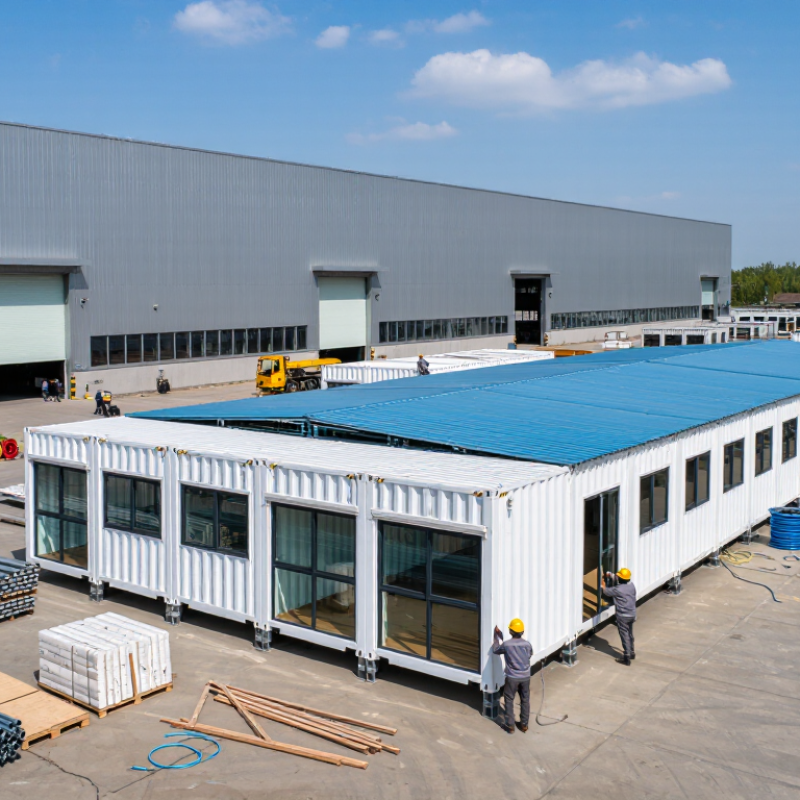
What Is an Expandable Container Home?
An expandable container home is a factory-built dwelling that folds for transport and opens on site. Its side sections extend outward, creating more usable floor area than the packed unit suggests. Steel framing provides strength, while insulated wall panels help control heat and noise. The result can include bedrooms, a kitchen, a bathroom, and basic living space.
From a practical inspection view, the folding joints deserve close attention. They should move smoothly without scraping or visible distortion. Door frames must remain square after expansion. Check the roof seals, window edges, floor level, and drainage points before furniture arrives. A reliable manufacturer should provide clear drawings, material specifications, installation guidance, and evidence of quality inspections. Factory accuracy matters, but site workmanship matters too.
Small details affect daily comfort. A bathroom needs tested water connections, not only attractive wall panels. Electrical outlets should match the planned furniture layout. In hot or cold regions, insulation alone may not solve condensation or temperature problems. Ventilation and shading deserve equal planning. These homes are efficient, but they are not magic. A rushed installation can create leaks, uneven floors, or difficult repairs. Even experienced buyers may overlook maintenance access. That is worth reconsidering.
How Expandable Container Homes Are Designed and Manufactured in China
China Top Expandable Container Home Manufacturer?
Expandable container homes in China begin with a practical design question: how can a compact unit become comfortable after delivery? Engineers use BIM models and structural calculations to coordinate steel frames, folding walls, insulation, wiring, plumbing, and lifting points. The design must survive repeated expansion, transport vibration, rain, and uneven ground. Small details matter. Door alignment matters.
Manufacturing usually starts with a welded galvanized steel chassis. Workers then install floor panels, wall systems, windows, electrical conduits, and bathroom modules on a controlled production line. Factory technicians check welds, dimensions, insulation thickness, water sealing, and electrical continuity before packing. Trial expansion is essential. A unit may look accurate on drawings but bind during opening. That mistake is expensive, yet it happens.
The 2023 Global Status Report for Buildings and Construction reported that buildings consumed about 34% of global energy and produced around 37% of energy and process-related emissions. This supports lighter designs, efficient insulation, LED systems, and factory-controlled material use. McKinsey’s modular construction research indicates that modular methods can reduce schedules by 20% to 50% in suitable projects, although results vary by site and logistics. China’s manufacturing strength helps standardize components, but quality is not automatic. Weather, local codes, foundation conditions, and installation skill still require careful review.
Key Features of China’s Leading Expandable Container Home Manufacturers
China Top Expandable Container Home Manufacturer?
China’s leading expandable container home manufacturers combine compact transport with fast on-site installation. Their units often use galvanized steel frames, insulated sandwich panels, and factory-fitted electrical systems. Hydraulic or manual expansion mechanisms create larger living areas within minutes. Some models include kitchens, bathrooms, windows, and built-in lighting before shipment.
Quality control matters more than attractive photographs. Experienced manufacturers inspect welding points, panel joints, door seals, and drainage details. They should provide material specifications, loading records, installation drawings, and clear warranty terms. Reliable suppliers also explain wind resistance, insulation performance, fire safety, and regional climate adaptation. Factory visits or recorded production checks can reveal details that brochures miss.
Tips: Ask for a complete component list. Confirm the folded and expanded dimensions. Request photos of hidden connections. Check replacement procedures for hinges, seals, and electrical parts. A low price may exclude transport, foundations, or installation. Measure your site carefully; small errors can delay placement. No factory is perfect. Even a well-built unit may need better ventilation or stronger floor protection in demanding climates. Compare evidence, not slogans, and use an independent inspector when the project budget allows.
How to Evaluate Quality, Certifications, and Customization Options
Choosing a top expandable container home manufacturer requires more than attractive photos. During factory inspections, I check steel thickness, weld consistency, hinge alignment, and waterproof seals. Uneven joints often reveal rushed production. Ask for material specifications, structural calculations, and recent inspection records.
Certifications should match the destination market. ISO 9001 may demonstrate controlled quality processes, while CE marking can apply to certain products sold in Europe. Neither replaces local building approval. Request fire-rating documents, electrical test reports, insulation data, and load calculations. Verify whether certificates belong to the actual factory and model. This step is often overlooked.
Customization should be practical, not merely decorative. Confirm floor plans, window positions, bathroom layouts, insulation levels, and electrical systems before production. A reliable manufacturer provides drawings, revision records, sample materials, and a clear warranty. I would also inspect a completed unit, not only a showroom model. Ask how the home performs after heavy rain, repeated folding, and transport. Some suppliers promise unlimited options, but excessive changes can weaken delivery control. That deserves careful reflection. The best evaluation balances appearance, engineering evidence, documented compliance, and real operating experience.
Why Choose a Chinese Manufacturer for Expandable Container Homes?
Choosing a Chinese manufacturer for expandable container homes can offer practical supply-chain advantages. China produced about 1.02 billion tonnes of crude steel in 2023, according to the World Steel Association. This large industrial base can support stable access to frames, panels, windows, and electrical components. It may also improve customization and production scheduling.
Independent industry research adds useful context. McKinsey reports that modular construction can reduce project timelines by 20–50% and costs by up to 20%. These figures are not guaranteed for every expandable home. Factory quality, packaging, transport, and site installation still matter. A low quotation can hide weaker insulation or incomplete compliance documents. I would not judge a supplier by photographs alone. Factory audits, sample inspections, welding records, and moisture-control procedures reveal more.
Tips: Request a full material list and production schedule. Check wind, snow, fire, thermal, and electrical test documents. Ask whether drawings can be reviewed against your local building requirements. Confirm container dimensions, folded height, lifting points, and replacement-part support before payment. The 2023 UNEP Global Status Report says buildings account for about 37% of global energy and process-related emissions. Better insulation and efficient lighting can therefore reduce operating demand. Chinese manufacturing may provide scale, but the best choice depends on transparent evidence, not nationality alone.
FAQS
Engineers use digital models and structural calculations to coordinate frames, folding walls, insulation, wiring, plumbing, and lifting points.
Production often begins with a galvanized steel chassis and welded structural frame.
Hydraulic or manual systems open folded sections and create a larger interior space.
Ask for weld inspections, dimensional records, insulation measurements, water-sealing checks, and electrical continuity tests.
Request structural calculations, material specifications, installation drawings, load records, inspection reports, and warranty terms.
Buyers may adjust floor plans, window positions, bathroom layouts, insulation levels, lighting, and electrical systems.
Inspect steel thickness, weld consistency, hinge alignment, panel joints, drainage, and door seals.
Measure the site carefully, including access routes, foundation dimensions, drainage, and ground stability.
Conclusion
An Expandable Container Home is a prefabricated, transportable living solution that expands on site to create more usable interior space than a standard shipping container. This article explains how these homes are designed and manufactured in China, from structural planning and steel-frame fabrication to insulation, electrical systems, plumbing, interior finishing, and quality inspection. Their compact transport size, rapid installation, flexible layouts, and efficient use of materials make them suitable for housing, offices, accommodations, and temporary facilities.
It also outlines the key qualities to consider when selecting a Chinese manufacturer, including production experience, material standards, safety certifications, factory control, customization capabilities, and after-sales support. Buyers can evaluate suppliers by reviewing technical drawings, inspection procedures, testing documents, sample units, and project communication. Choosing a qualified Chinese manufacturer may provide competitive pricing, scalable production, design flexibility, and efficient delivery while supporting reliable quality and practical customization for different climates, budgets, and building applications.