
Choosing a Horse Float Trailer is not simply a buying decision. It is a commitment to safer, calmer animal transport.
A well-designed trailer can provide stable footing, suitable ventilation, strong partitions, and controlled loading access. These details matter when a horse steps onto a metal floor or travels around a sharp bend. Experienced owners inspect the trailer before every journey. They check tyres, lights, brakes, ramps, latches, and internal padding. Small faults can become serious problems on the road.
Safety starts before loading.
The right Horse Float Trailer should match the horse’s size, temperament, and travel frequency. A nervous horse may need wider visibility, quieter fittings, or more time inside the trailer. A larger horse may require greater headroom and stronger internal construction. Manufacturer guidance remains important, but it should not replace practical judgement or regular professional inspection.
Even an excellent trailer has limits. It cannot correct rushed loading, poor driving, or unsuitable weather conditions. This is where many transport plans become weak. Owners may focus on polished interiors while overlooking ventilation, floor moisture, or emergency access. A trailer can look impressive and still feel unsafe to a horse.
Reliable transport depends on preparation, observation, and honest review. Watch how the horse stands, balances, sweats, and responds after each trip. Adjust the routine when needed. That careful approach helps turn a Horse Float Trailer from basic equipment into a dependable part of responsible horse care.
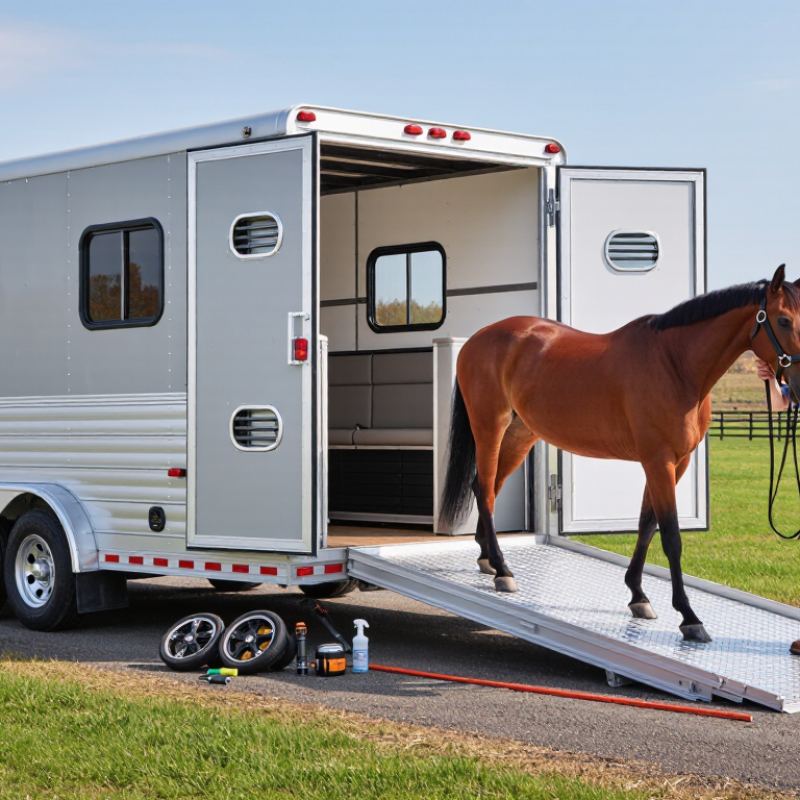
A horse float trailer is a purpose-built trailer designed to move horses safely behind a suitable towing vehicle. Unlike a standard cargo trailer, it usually includes padded partitions, non-slip flooring, strong ventilation, and enough headroom for a standing horse. The interior should feel calm, not cramped. A horse needs space to balance, lower its head, and adjust its footing during braking or turning.
The 2023 American Horse Council Foundation Economic Impact Study estimated 6.6 million horses in the United States. That large population creates regular demand for reliable equine transport. However, a horse float is not automatically safe because it looks modern. The British Horse Society’s road incident reporting has repeatedly identified passing traffic, poor visibility, and limited stopping space as important risks. Good trailer design helps reduce those pressures through clear sight lines, secure ramps, reflective markings, and controlled airflow.
Check the details closely. The floor should feel firm underfoot, even when damp. Doors must latch without force. Partitions should prevent sudden sideways movement but allow comfortable posture. I would not trust a trailer after one quick inspection. Rust beneath the ramp or a cracked rubber mat may stay hidden. Weight distribution also matters; an overloaded or poorly balanced float can sway unexpectedly. Safety improves when the driver practices slow turns, allows extra braking distance, and checks the horse during planned stops. The trailer is only one part of the system.
Why Choose a Horse Float Trailer for Safe Transport?
How Horse Float Trailers Support Equine Safety
Horse float trailers are built around controlled movement, ventilation, and secure footing. Their enclosed structure reduces distractions from passing traffic, bright lights, and sudden roadside activity. A wide entry ramp helps horses step inside without jumping or slipping. Inside, padded partitions can prevent animals from leaning into one another during turns or braking. Non-slip rubber flooring also supports balance, especially when the horse shifts weight on wet surfaces. Still, flooring needs regular cleaning and inspection. Dirt can hide worn areas.
Safe transport depends on preparation as much as trailer design. Before departure, handlers should check doors, latches, tires, lights, partitions, and ventilation openings. The horse should be loaded calmly, without rushing or force. A correctly fitted headcollar and suitable tie allow natural balance while limiting dangerous movement. Leave enough space for the horse to lower its head and maintain comfort. Never ignore unusual sweating, pawing, heavy breathing, or repeated kicking. These signs may indicate stress, heat, pain, or poor positioning.
Keep the journey steady. Sharp turns and sudden braking can cause injury, even inside a strong trailer. During longer trips, planned stops allow handlers to assess breathing, posture, water needs, and floor condition. I have learned that small checks often reveal larger problems. A loose bolt or blocked vent may seem minor. It may not be. No trailer is perfect, and experienced handlers still need to reassess conditions throughout the journey.
A horse float trailer is safest when small details support calm, controlled movement. A reinforced frame should resist sway during braking, turns, and uneven rural roads. The floor needs a sealed, non-slip surface with strong drainage. Wet rubber can still become slippery. Check it by hand.
Interior walls should have padded protection, rounded edges, and secure breast and breeching bars. Adjustable partitions help maintain balance without forcing two horses together. Ventilation matters, especially at head height. Open vents should provide airflow without exposing legs or creating harsh drafts.
A reliable trailer also needs a wide ramp, clear lighting, and latches that lock positively. Tie rings must sit at a safe height and allow limited movement. Never rely on one fastening point. Distribute weight evenly and keep heavy equipment low. Confirm that the tow vehicle suits the loaded trailer. Before departure, inspect tires, wheel bearings, brakes, coupling, and emergency breakaway equipment. A short test drive can reveal movement that a parked inspection misses.
No trailer removes every risk. Horses may panic, refuse a ramp, or react to unfamiliar noise. An experienced handler should load patiently. Never rush loading. It is easy to skip a final check when the journey feels routine. That habit needs correction. Recheck the ramp, partitions, fastenings, and ventilation after the first stop.
Why Choose a Horse Float Trailer for Safe Transport?
How to Choose the Right Horse Float Trailer
Choosing the right horse float trailer starts with the horse, not the price. Match the trailer’s internal length, height, and width to your horse’s size. The horse should stand naturally without pressing its head against the roof. Allow enough space for balance during braking, cornering, and uneven road surfaces.
Check the floor carefully. A strong, well-sealed floor with secure rubber matting can reduce slipping and leg strain. Look underneath for soft spots, cracks, or water damage. Ventilation is equally important, especially on warm journeys. Windows should provide airflow without creating sharp edges or escape risks. Good visibility also helps the handler notice unusual movement.
Safety depends on the towing setup too. Confirm the trailer’s loaded weight, hitch condition, brakes, lights, and tyre pressure before every trip. The towing vehicle must suit the trailer and its actual load. Secure partitions should prevent sudden movement, but they must not trap the horse. Practise loading calmly in a quiet area. Horses remember stressful experiences.
Small details matter.
A clean trailer is easier to inspect. However, even a new-looking float may hide poor maintenance. Ask a qualified trailer inspector to examine its structure, suspension, and coupling. Check local weight and road requirements before purchase. The best choice is stable, breathable, easy to clean, and appropriate for your horse’s behaviour.
Choosing the right horse float trailer starts with providing enough space for natural balance, safe movement, and comfortable loading. The chart shows typical planning ranges for a two-horse trailer; exact requirements vary with horse size, trailer design, and local regulations.
A suitable trailer should provide adequate stall width, length, internal height, and ramp length while remaining within the towing capacity of the vehicle.
A horse float trailer supports safer transport when its layout matches the horse’s needs. Before loading, inspect the floor, ramp, breast bar, partitions, and fasteners. A damp patch or loose fitting deserves attention. Clean, dry footing reduces slipping and nervous movement. Lead the horse calmly, allowing time to notice the ramp and interior. Never force a frightened horse into a confined space. Use an experienced handler, and keep the loading area quiet.
During travel, balanced weight distribution helps the trailer track smoothly. The horse should have enough room to stand naturally without leaning heavily against partitions. Check ventilation before departure, especially on warm days. Airflow matters. Secure doors and ramps, then walk around the trailer before moving.
Gentle acceleration, wide turns, and early braking reduce physical strain. Stop periodically in a safe location to check the horse, temperature, and equipment. Do not assume silence means comfort; sweating, pawing, or repeated head movement can signal stress.
Unloading requires the same patience as loading. Park on level ground, apply the brake, and open exits only after the trailer is stable. Remove barriers carefully, keep the lead short but not tight, and give the horse a clear path. Stand beside the horse, not directly behind it. Small details matter. In practice, even a careful routine can miss something, such as a warm buckle or shifting bedding. A brief second check often reveals what the first inspection missed. That honest pause improves future trips and keeps safety practical, not assumed.
It is a purpose-built trailer for transporting horses safely. It usually has padded partitions, non-slip flooring, ventilation, and generous headroom. The interior should feel calm, not cramped.
Match the trailer’s length, width, and height to the horse’s body. The horse should stand naturally without touching the roof. It needs room to balance during braking and turns. More space is not always better.
Check for soft spots, cracks, damp areas, and water damage. Rubber matting should stay secure underfoot. Look beneath the trailer, not only inside it. A clean surface can still hide weakness.
Ventilation helps control heat and stale air during travel. Windows should provide airflow without sharp edges or escape gaps. Good visibility helps handlers notice sweating, pawing, or unusual head movement. Airflow matters.
Confirm the loaded trailer weight, hitch, brakes, lights, and tyre pressure. The towing vehicle must handle the trailer’s actual load. Poor weight distribution may cause unexpected swaying. Check local road and weight requirements before travelling.
Keep the loading area quiet and give the horse time to inspect the ramp. Lead calmly with an experienced handler. Never force a frightened horse into the trailer. Stress can be remembered.
Accelerate gently, take wide turns, and brake earlier than usual. Balanced loading helps the trailer track smoothly. Stop periodically in a safe place to check the horse and equipment. Silence does not always mean comfort.
Park on level ground and apply the brake before opening exits. Remove barriers carefully and provide a clear path. Stand beside the horse, not directly behind it. Keep the lead short, but not tight. Pause for one more check.
A Horse Float Trailer is a purpose-built trailer designed to transport horses safely and comfortably between farms, training facilities, events, and veterinary appointments. Unlike ordinary cargo trailers, it provides suitable space, ventilation, padding, partitions, and stable flooring to help reduce stress and prevent injuries. Its structure supports equine safety by limiting sudden movement while allowing horses to maintain balance during travel.
When choosing a Horse Float Trailer, consider its size, weight capacity, interior layout, ventilation, lighting, ramp design, non-slip flooring, and ease of cleaning. The trailer should match the horse’s height, body size, and temperament while remaining practical for the towing vehicle. Safe transportation also depends on careful preparation: inspect the trailer before every trip, load horses calmly, secure all doors and partitions, drive smoothly, and check the animals regularly. During unloading, choose a level area and allow each horse to exit patiently and safely.