
Sydney · 0402 531 010 Talk To Us
Explore our factory-engineered structural container frames, expandable modular units, and heavy-duty chassis manufactured to CE and ISO structural standards.
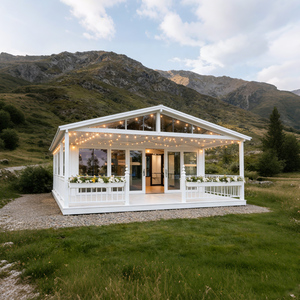
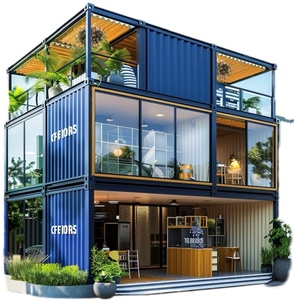
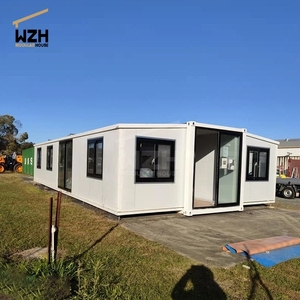
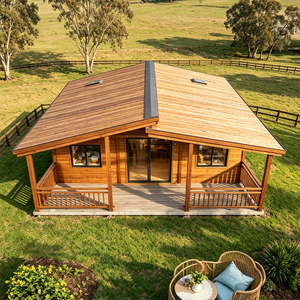
Technical analysis of structural steel grades, cold-roll forming precision, and anti-corrosion science driving global supply leadership.
In the globalized prefabricated construction sector, evaluating China Best Container Frame Manufacturers & Suppliers requires a deep technical comprehension of metallurgical integrity, frame load dynamics, and anti-corrosion surface treatments. China currently controls over 85% of the world’s modular building component manufacturing capacity. However, the qualitative gap between commercial commodity-grade suppliers and tier-one engineering manufacturers lies in structural steel composition, precise structural engineering tolerances, and compliance with stringent international building codes (including EN 1090-1, AWS D1.1, and AS/NZS 5100).
Leading Chinese manufacturers utilize Q235B and Q355B low-carbon structural steel alloys for primary frame assemblies. Q355B steel, offering a minimum yield strength of 355 MPa and a tensile strength range of 470–630 MPa, is specified for primary load-bearing corner columns, top roof beams, and bottom floor chassis. This provides superior structural elasticity under dynamic wind and seismic forces compared to basic commercial steel profiles.
A critical metric of container frame structural safety is the integrity of the corner castings (ISO 1161 compliant). Premium Chinese suppliers execute precision investment casting using cast steel (SCW490), ensuring structural stress distribution across high-rigidity loading points during crane hoist operations and multi-tier modular stacking. The longitudinal and transverse frame beams are fabricated via high-precision CNC cold-roll forming machines, achieving geometric dimensional tolerances within ±0.5 mm across a 6000 mm span.
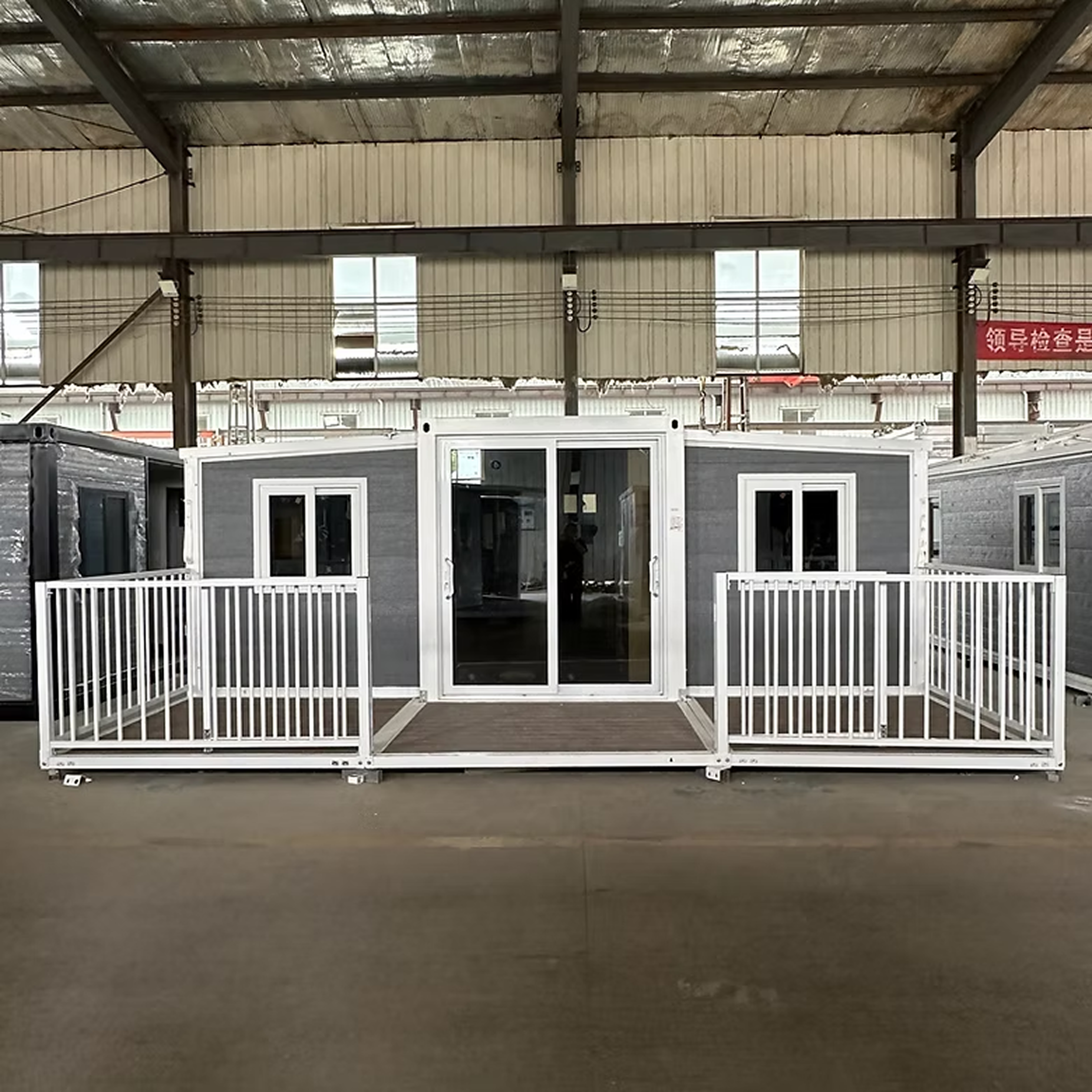
Atmospheric corrosion presents the greatest long-term threat to modular structural steel. Top-tier manufacturers employ a dual-stage preservation process:
Engineering comparison of structural container frames for commercial buyers, developers, and project engineers.
| Frame Typology | Primary Material Grade | Assembly Speed | Transport Efficiency | Max Stacking Capacity | Primary Commercial Use |
|---|---|---|---|---|---|
| Flat-Pack Container Frame | Q235B / Q355B Steel | 2-3 Hours (4 Workers) | High (4 Units in 1x40HQ) | 3 Stories Stacking | Site Accommodation, Modular Offices |
| Expandable Modular Chassis | Hot-Dip Galvanized Q355B | 1-2 Hours (2 Workers) | Maximum (1 Unit nested per freight) | 1 Story (Single footprint) | Luxury Granny Flats, Remote Stays |
| Detachable (Knock-Down) Frame | Light Cold-Rolled Galvanized | 4-5 Hours (3 Workers) | Extreme (15 Units per 40HQ chassis) | 2 Stories Stacking | Disaster Relief, Low-Budget Camps |
| Heavy ISO Shipping Conversion Frame | Corten A (SPA-H) Steel | Instant (Pre-welded structure) | Standard ISO Container Freight | 6 to 9 Stories Stacking | Permanent Apartments, Mining Camps |
Why leading global developers source fully certified modular steel chassis directly from accredited Chinese plants.
Engineered top roof beams feature concealed internal drainage gutters connected to 4 hollow corner columns. Water run-off is diverted efficiently away from exterior wall panels, preventing joint seepage during torrential rain.
Precision-engineered polyurethane (PU) thermal break strips are integrated between structural outer steel profiles and interior wall sub-framing, reducing thermal bridging and condensation risks in freezing climates.
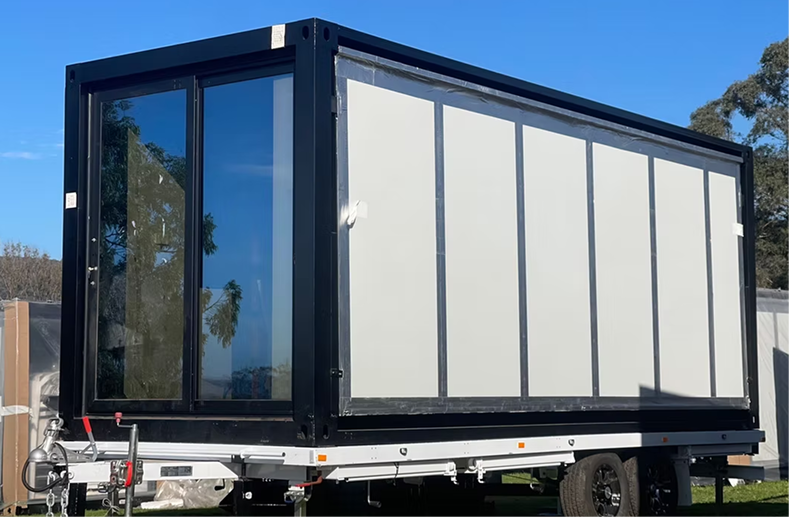
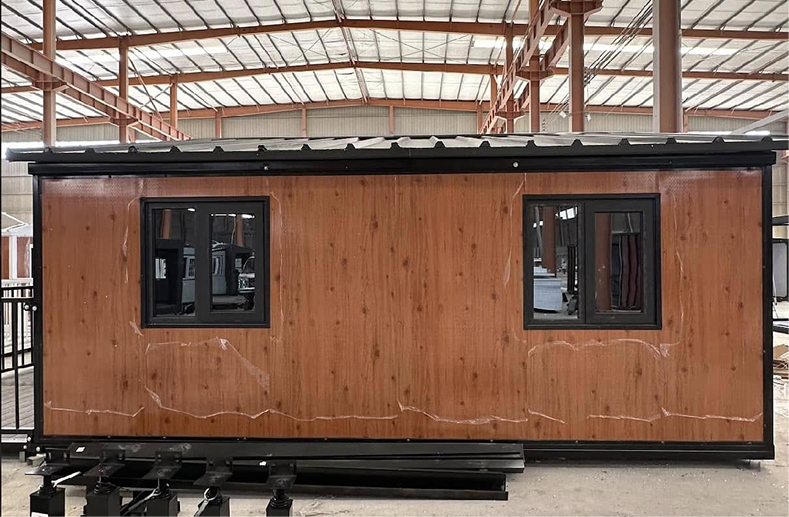
For expandable container frames, heavy-duty stainless steel hinge mechanisms and hydraulic alignment pins allow rapid unfold operations by a 2-person installation crew in less than 2 hours without heavy machinery.
Insights into green metallurgy, robotic welding automation, and supply chain digitalization.
As global construction demands accelerate toward zero-carbon mandates and rapid modular deployment, the procurement landscape for container frame manufacturing in China is experiencing a profound technological transformation. B2B buyers, resort developers, and government housing agencies must align procurement strategies with several macro-level industrial shifts:
Manual Shielded Metal Arc Welding (SMAW) is rapidly being superseded by 6-axis robotic Gas Metal Arc Welding (GMAW) systems across top-tier Chinese manufacturing plants. Robotic welding eliminates human error, producing seamless continuous weld beads that undergo 100% non-destructive ultrasonic testing (NDT). This guarantees structural weld joint efficiency under severe dynamic vibrational load during marine transit.
In response to the European Union’s Carbon Border Adjustment Mechanism (CBAM), tier-one container frame manufacturers in China are adopting green steel billets produced via Electric Arc Furnaces (EAF) utilizing up to 70% recycled steel scrap. This reduces embodied carbon per frame by over 45% compared to traditional Blast Furnace-Basic Oxygen Furnace (BF-BOF) routes.
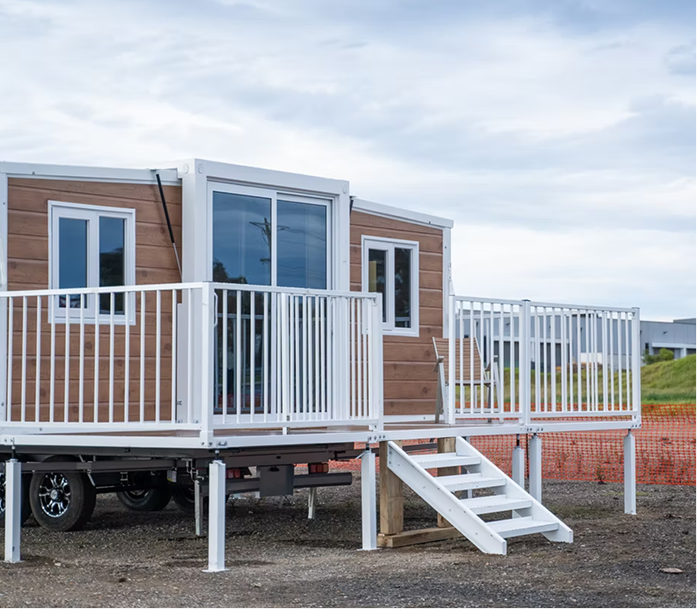
Next-generation container frames are no longer passive steel boxes; they are intelligent structural chassis. Leading Chinese suppliers pre-integrate conduit channels, solar photovoltaic mounting points, structural battery storage alcoves, and graywater plumbing routing directly inside the hollow steel frame members during factory assembly, reducing on-site finishing times by up to 60%.
Why our factory integration and regional support network set the benchmark for global procurement reliability.
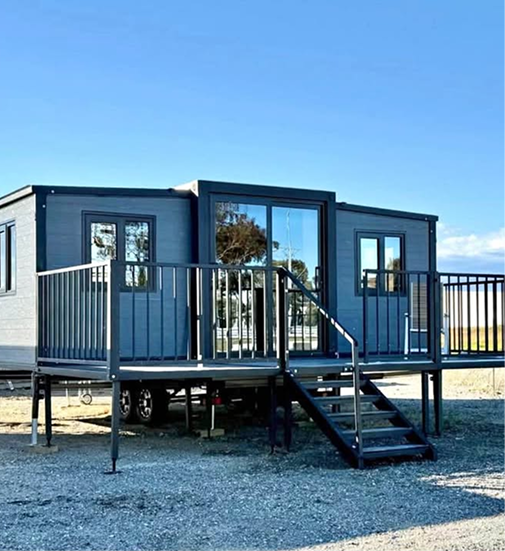
Our manufacturing matrix combines deep metallurgical engineering expertise with an established oceanic distribution network. Operating out of state-of-the-art production facilities in China, our corporate framework supports end-to-end B2B solutions ranging from raw frame fabrication to fully fitted luxury expandable villas.
With direct corporate support nodes in Sydney (NSW), Melbourne (VIC), and New Zealand, we bridge the gap between Asian manufacturing scale and rigorous Western building code compliance (AS/NZS standards, CE certification, and ISO quality management systems).
Clear technical answers addressing site preparation, shipping logistics, custom fabrication, and international standards compliance.
Connect with our structural engineering team to request detailed CAD frame drawings, custom OEM specifications, and container loading schedules.