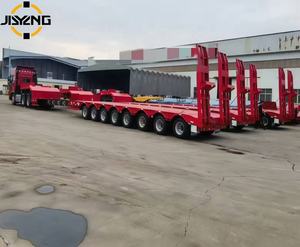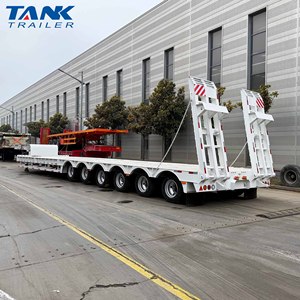
Top Trusted Flatbed Trailer Manufacturers & Factory

Engineering Whitepaper & Sourcing Guide: High-Tensile Metallurgy, Multi-Axle Hydraulics, and Global Supply Chain Evaluation

500+ Tons
Max SPMT Payload Capacity
Q345B / T700
High-Tensile Steel Yield Grade
ISO 1496
Intermodal Structural Compliance
50+ Countries
Global Logistics Reach
Factory Direct Catalog

Heavy-Duty Flatbed & Lowbed Trailer Series

Explore our industrial-grade, custom-engineered semi-trailers, container flatbeds, lowbeds, and SPMT self-propelled modular transporters optimized for international haulage compliance.
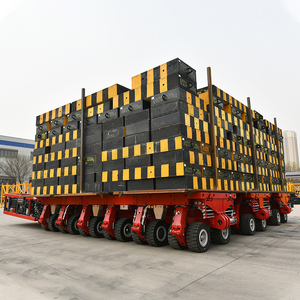
150 Tons 300 Tons 500 Tons SPMT Self Propelled Modular Transporter Hydraulic Multi Axle Flatbed Trailer

150 Tons 300 Tons 500 Tons SPMT Self Propelled Modular Transporter Hydraulic Multi Axle Flatbed Trailer

Payload: 150-500T Hydraulic Suspension 360° Steering
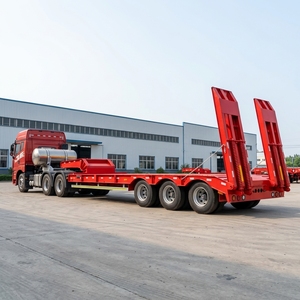
Manufacturer 2-9 Axles Flatbed Low Bed Trailers Loader Flat Bed Truck Semi Trailer

Manufacturer 2-9 Axles Flatbed Low Bed Trailers Loader Flat Bed Truck Semi Trailer

Configuration: 2-9 Axles Heavy Machinery Low Loading Height
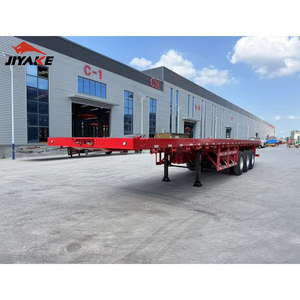
Flat Bed 3 Axle 40ft 50 Ton 20ft 60ft 50ft Container Flatbed Semi Semi-trailer Truck Trailers

Flat Bed 3 Axle 40ft 50 Ton 20ft 60ft 50ft Container Flatbed Semi Semi-trailer Truck Trailers for Vehicle

3 Axle / 50 Ton ISO Twist Locks 20ft/40ft/50ft/60ft
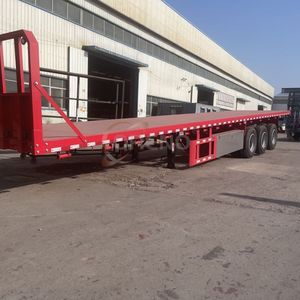
Customized 3 Axle Flatbed Semi Trailer for Over Size Cargo and Heavy Equipment Transport

Customized 3 Axle Flatbed Semi Trailer for Over Size Cargo and Heavy Equipment Transport

Oversized Haulage Reinforced Side Beams Custom Tie-Downs
Heavy Duty 4 Axles 11.8m Semi-Trailer Container Transport Log Carrier Flatbed Full Hang Trailer

Heavy Duty 4 Axles 11.8m Semi-Trailer 11.8m Container Transport Log Carrier Flatbed Full Hang Pickup Trucks Trailer

4 Axles / 11.8m Log Carrier / Container Full-Hang Steel Structure
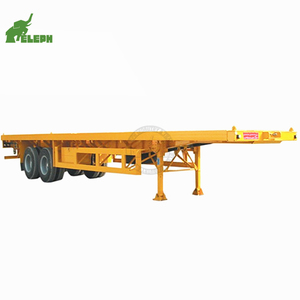
20ft Flatbed Trailer Double Axles Flat Bed Trailer Container Flatbed Trailer for Sale

20ft Flatbed Trailer Double Axles Flat Bed Trailer Container Flatbed Trailer for Sale

20ft Compact Layout Double Axle Urban Port Logistics
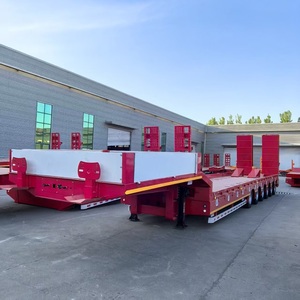
Heavy Duty 3 Axles Low Bed Trailer Custom Low Flatbed Semi Trailer for Construction Machinery

Heavy Duty 3 Axles Low Bed Trailer Custom Low Flatbed Semi Trailer for Construction Machinery Transportation

3 Axle Lowbed Excavator Ramp System High-Yield Steel Deck
6 Axles 100Ton Heavy Duty Lowbed Flatbed Semi Trailer for Tractor Truck Transport

6 Axles 100Ton Heavy Duty Lowbed Flatbed Semi Trailer for Tractor Truck Transport

6 Axles / 100 Ton Mining & Heavy Rigging Heavy Duty Suspension
Engineering Authority

Structural Engineering & Material Science in Flatbed Manufacturing

A comprehensive analysis of load-bearing dynamics, yield strength selection, and chassis fabrication integrity for international fleet procurement managers.

In global intermodal haulage and heavy equipment logistics, flatbed trailers serve as the foundational backbone of cargo mobility. Selecting a manufacturer demands a granular understanding of structural metallurgy, weight distribution dynamics, and chassis deflection parameters under extreme torque. Modern flatbed manufacturing has evolved beyond basic steel channels to high-tensile alloy fabrication designed to maximize legal payload limits while reducing tare weight.

Key Engineering Benchmark: Main beam deflection must not exceed 1/1000th of the span length under maximum gross vehicle weight rating (GVWR). Achieving this standard requires automated submerged arc welding (SAW) and high-yield structural steel grades such as Q345B, Q610, or T700.

Metallurgical Selection: Main Beam Architecture & Yield Strength

The primary longitudinal frame (I-beam) absorbs dynamic load cycles, torsional twist during cornering, and braking shear forces. Premier flatbed trailer factories utilize computer-controlled plasma cutting to process high-tensile steel plates. The upper flange, lower flange, and center web plate undergo continuous double-sided submerged arc welding to prevent internal micro-fissures and stress concentration points.

When evaluating structural options, procurement officers must compare material performance specs:

  • Q345B Carbon Steel: Yield strength of ≥345 MPa. Ideal for standard 20ft and 40ft container flatbed trailers operating under normal highway conditions with predictable payloads up to 40 tons.
  • HG60 / Q610 High-Yield Alloy: Yield strength of ≥600 MPa. Recommended for 3-axle to 4-axle drop deck and lowbed trailers carrying heavy machinery and construction equipment.
  • T700 Ultra-High-Strength Steel: Yield strength of ≥700 MPa. Provides superior strength-to-weight ratios, allowing up to 15% reduction in tare weight without compromising structural rigidity, resulting in long-term fuel efficiency gains for long-haul operations.
Trailer Type Axle Configuration Nominal Payload Structural Steel Grade Primary Industrial Application
Container Flatbed (20ft/40ft) 2 to 3 Axles (FUWA/BPW 13T-16T) 30 - 50 Tons Q345B High Yield Steel Port Intermodal Freight, ISO Containers, Palletized Goods
Heavy Duty Lowbed Semi-Trailer 3 to 6 Axles (Hydraulics/Air) 60 - 100 Tons HG60 / T700 High Strength Excavators, Transformers, Mining Crawlers, Heavy Machinery
Full-Hang Log & Multi-Cargo Flatbed 4 Axles (11.8m Deck) 40 - 60 Tons Q345B Reinforced Web Timber Haulage, Steel Coils, Structural Beams, General Cargo
SPMT Modular Transporter Hydraulic Multi-Axle Lines 150 - 500+ Tons Super High Tensile Alloy Steel Oil & Gas Modules, Offshore Wind Turbines, Megastructure Moves
Factory Capabilities

Manufacturing Precision & Quality Assurance Protocols

How leading OEM flatbed trailer factories eliminate structural failures through advanced manufacturing processes.

Robotic Submerged Arc Welding

Continuous automated submerged arc welding (SAW) ensures deep penetration and zero weld porosity across main longitudinal beams, eliminating manual welding inconsistency.

Shot Blasting & Anti-Corrosion

Full chassis shot blasting (SA 2.5 standard) removes mill scale and rust, followed by polyurethane topcoat application delivering 1,000+ hours of salt spray rust protection.

Precision Axle Alignment

Laser-guided axle calibration minimizes tire scuffing and rolling resistance, extending tire operational lifespan by up to 25% across long-distance freight routes.

Non-Destructive Testing (NDT)

100% ultrasonic and radiographic inspection of critical stress joints, kingpin plate assemblies, and suspension hanger brackets before factory dispatch.

Strategic Outlook

Future Procurement Trends in Heavy-Duty Trailer Sourcing

Key technological transformations shaping heavy equipment logistics and commercial fleet purchasing decisions through 2030.

1. IoT Telemetry and Smart Braking Integration

Commercial trailer procurement is shifting from standalone mechanical units toward smart, connected transport nodes. Modern fleets demand integration of WABCO or KNORR-BREMSE Electronic Braking Systems (EBS) featuring Roll Stability Control (RSC). Integrated IoT sensors relay real-time telemetry data including tire pressure (TPMS), axle load distribution, brake pad wear, and chassis vibration analysis directly to fleet managers via cloud networks. This predictive maintenance architecture dramatically reduces unexpected highway breakdowns and optimizes total cost of ownership (TCO).

2. Ultra-Lightweight High-Tensile Metallurgy for Carbon Neutrality

As logistics operations face strict carbon emission regulations and fuel efficiency mandates, payload optimization has become paramount. Sourcing trends prioritize flatbeds fabricated with ultra-high yield strength steels (T700/T900) and aluminum alloy side structures. By reducing trailer tare weight by 1,000kg to 1,500kg without sacrificing structural capacity, transport companies increase profit margins per trip while directly decreasing greenhouse gas emissions per ton-kilometer.

3. Hydraulic Multi-Axle Modularization & SPMT Adoption

The global surge in renewable energy projects—such as offshore wind farms, megawatt transformers, and modular refinery skids—has created unprecedented demand for heavy-lift solutions. Traditional mechanical lowbeds are increasingly augmented by Self-Propelled Modular Transporters (SPMT) and hydraulic multi-axle trailers. The ability to combine modular axle units laterally and longitudinally provides fleet operators with dynamic load balance control, 360-degree electronic crab steering, and hydraulic stroke adjustments up to 600mm to clear ground obstacles.

4. Eco-Friendly Anti-Corrosion Coating Protocols

Environmental regulations regarding Volatile Organic Compounds (VOCs) are transforming factory painting lines. Leading manufacturers are transitioning to waterborne primers, electro-coating (cataphoresis / KTL), and thermal zinc spraying. These techniques ensure comprehensive protection inside boxed cross-members and hollow sections, ensuring structural integrity even when hauling corrosive chemical containers or operating in harsh coastal environments.

Why Partner With Us

Factory Direct Excellence & Global Supply Chain Reliability

Leveraging decades of specialized heavy trailer manufacturing experience to deliver customized, certified transport solutions worldwide.

Our manufacturing complex represents the gold standard in heavy transport engineering. Equipped with heavy-duty robotic welding cells, 12-meter CNC bending machines, and automated shot-blasting chambers, our factory produces over 10,000 specialized trailers annually. We maintain strict compliance with international quality management systems including ISO9001, CE safety standards, DOT vehicle regulations, and ADR certification for dangerous goods haulage.

By bypassing intermediary traders, global buyers gain direct access to customized engineering modifications:

  • Custom Deck Configurations: Extendable drop-decks, hydraulic ramp options, container twist-lock layouts (20ft, 40ft, 45ft, 53ft), and heavy-duty log stakes.
  • World-Class Component Sourcing: Equipped exclusively with genuine premium axles (FUWA, BPW, SAF-HOLLAND), JOST landing legs, JOST kingpins, and WABCO pneumatic valve assemblies.
  • Flexible Ocean Freight Logistics: Complete pre-shipment protection including seaworthy shrink-wrapping, SKD/CKD containerization options, RORO shipping, or flat-rack consolidation to minimize ocean freight expenses.
Buyer Sourcing FAQ

Frequently Asked Questions: Technical & Procurement Guide

Expert engineering answers to critical inquiries regarding flatbed trailer selection, payload limits, customization, and international delivery.

What is the structural difference between Q345B and T700 steel in flatbed construction?
Q345B is a standard high-strength structural carbon steel with a yield strength of 345 MPa, widely used for standard flatbeds. T700 is an advanced thermo-mechanically controlled high-yield steel with a yield strength of 700 MPa. Using T700 allows engineers to reduce the thickness of the main beam plates while maintaining or exceeding overall structural load capacity, effectively lowering trailer tare weight by 15-20% for improved fuel efficiency.
How do I choose between a standard flatbed trailer and a lowbed trailer for machinery transport?
Standard flatbed trailers feature a uniform deck height (typically 1.5 meters) designed primarily for containerized cargo, bulk materials, steel coils, and palletized freight. Lowbed trailers utilize a stepped frame design (working deck height ranging from 0.8m to 1.1m), lowering the center of gravity and providing vertical clearance for oversized, tall construction equipment such as excavators, dozers, and industrial boilers.
What suspension system is recommended for off-road or mining haulage routes?
For rugged off-road, mining, or corrugated road conditions, heavy-duty mechanical leaf spring suspension with reinforced equalizer beams or hydraulic multi-axle suspension is recommended. Air suspension provides superior ride quality, cargo protection, and automatic height adjustment for paved highways, but heavy mechanical or hydraulic suspensions offer superior articulation and durability against severe impact loads.
How are SPMT (Self-Propelled Modular Transporters) controlled and synchronized?
SPMT units utilize centralized Power Pack Units (PPU) driving hydraulic motors integrated directly into the wheel hubs. Microprocessor controllers manage multi-mode electronic steering (including carousel, crab, diagonal, and front/rear axle steering modes). Multiple SPMT modules can be combined mechanically or wirelessly via CAN-bus communication to operate as a single unified transporter carrying loads exceeding several thousand tons.
What anti-corrosion treatments are applied to protect trailers during ocean transport?
All factory production undergoes SA 2.5 grade shot blasting to eliminate mill scale. The metal surface receives an epoxy zinc-rich primer followed by a polyurethane topcoat finish. Prior to ocean freight, exposed machined components (such as kingpins, landing gear screws, and brake adjusters) are treated with marine-grade anti-corrosion wax, and trailers shipped via breakbulk or flat-rack are wrapped in protective sea-worthy film.
Can flatbed trailers be customized for dual container sizes (e.g., one 40ft or two 20ft ISO containers)?
Yes. Our standard 40ft flatbed semi-trailers are engineered with 12 sets of drop-lock ISO twist locks. This configuration permits the flexible securement of either one single 40ft ISO container, two 20ft ISO containers simultaneously, or one 20ft container positioned in the center for optimal weight distribution over the axle bogie.
What is the typical manufacturing lead time for custom engineered multi-axle trailers?
Standard 2-axle to 4-axle flatbed and lowbed trailers typically feature a production cycle of 15 to 20 business days following engineering drawing approval. Highly customized multi-axle hydraulic trailers, extendable drop-decks, or SPMT modules require 30 to 45 days, allowing for comprehensive NDT testing, hydraulic pressure calibration, and road load simulation.
What international vehicle certifications and standards do your factory trailers meet?
Our manufacturing processes conform to ISO 9001:2015 quality management standards. Vehicle components and structural designs comply with U.S. DOT regulations, European CE equipment directives, Australian Design Rules (ADR) for axle spacing and braking, GCC specifications for Middle Eastern climate operations, and SABS standards for African road networks.

Request Engineering Drawings & Quotation

Speak directly with our heavy transport structural engineers. Receive detailed CAD blueprints, payload calculations, and competitive OEM factory pricing tailored to your fleet logistics requirements.

Send an Inquiry