Commercial & Industrial Utility Trailer Lineup
Explore our heavy-duty utility, box, lowbed, and hydraulic dumping trailers engineered for civil infrastructure, agricultural operations, and commercial freight. Built with high-tensile structural steel and hot-dip galvanized weather protection.
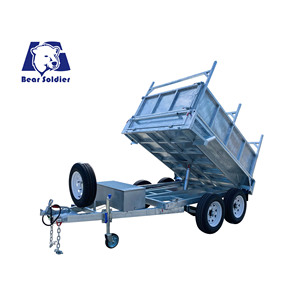
Australian Standard Double-Axle Dump Trailer Customizable Sizes 8*5 and 10*6 Feet Cargo & Utility Box Trailer ATM3500kg
ATM: 3500kg | Dual Axle | Hydraulic Dump
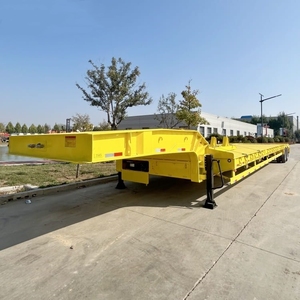
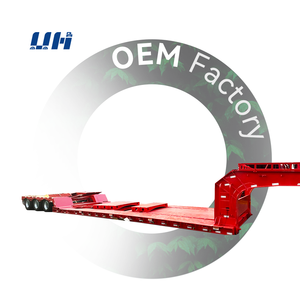
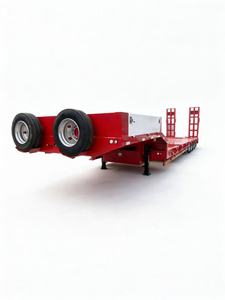
China Factory Price Heavy Duty 80/100/120 Ton Hydraulic Excavator Lowbed Semi Truck Trailer 2 Line 4 Axle Cargo Utility Trailers
Capacity: 80-120 Ton | 4 Axle | Hydraulic Ramp
Heavy Duty Flatbed Cargo & Utility Trailer for Sale
Structure: High-Tensile Steel | Flatbed | Multi-Use
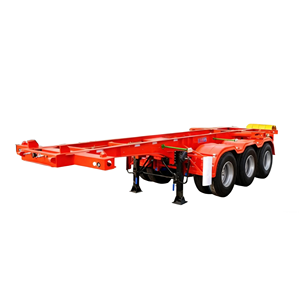
Cargo & Utility Trailer with Skeleton Design Container Style
Chassis: Skeleton | ISO Twist Locks | Intermodal
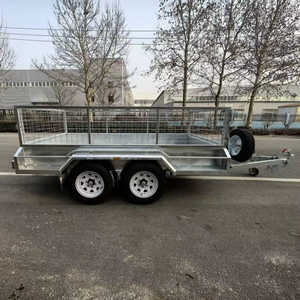
CE DOT EEC Certified Double Axle Galvanized Utility Cargo Trailer With Detachable High Mesh Cage for Farm Construction Transport
Cert: CE / DOT / EEC | Hot-Dip Galv | Mesh Cage
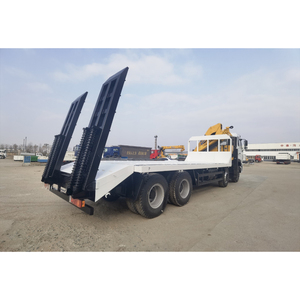
Flatbed Container Excavator Semi Trailer Trucks Lowbed Cargo Utility Trailers with Max Payload >3001 kg and Size 8500-17500
Payload: >3001kg | Length: 8.5m-17.5m | Heavy Duty
Good Style Flatbed Trailers for Construction Equipment Cargo & Utility Trailers
Application: Machinery Transport | Heavy Axles
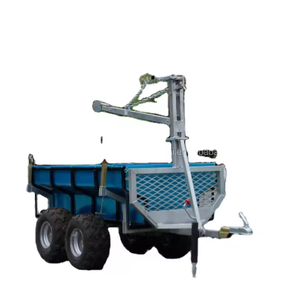
Best-Selling Tipping Farm Utility Trailer | Tengfei ATV Dump Trailer Model A01E Galvanized Steel 1400kg Load Capacity
Model: A01E | Payload: 1400kg | ATV Tipping Box
120 Ton
Max Heavy Lowbed Payload
100%
Hot-Dip Galvanized Zinc Coating
ADR / DOT
Global Highway Certified Compliance
50,000+
Commercial Units Operating Worldwide
State of the Art Utility Trailer Manufacturing: Metallurgy, Engineering & Structural Dynamics
In modern commercial logistics, agricultural operations, and heavy civil construction, selecting verified utility trailer manufacturers is a strategic investment that directly impacts fleet uptime, operational safety, and total cost of ownership (TCO). Commercial utility trailers—ranging from 1.4-tonne ATV farm tippers to 120-tonne hydraulic multi-axle lowbeds—must withstand extreme dynamic stress, severe fatigue cycles, and aggressive environmental exposure.
Leading original equipment manufacturers (OEMs) have shifted from traditional manual welding and structural mild steels to automated submerged arc welding (SAW) and high-strength low-alloy structural steels (such as Q345B, Q460, and Hardox wear plates). This structural evolution provides exceptional yield strength without adding unnecessary tare weight, maximizing net legal payload capacities under strict regulatory guidelines like the Australian Design Rules (ADR), North American DOT specifications, and European Community Whole Vehicle Type Approval (ECWVTA/EEC).
High-Tensile Steel Chassis Fabrication
Main beams are robotically welded using heavy-duty longitudinal main-beam structures with high yield points exceeding 345 MPa. Cross-members are interlocked through punched main frame webbing to eliminate torsional flex during offset off-road loading.
Hot-Dip Galvanizing & Surface Integrity
Entire box and dump trailer subframes undergo complete immersion in molten zinc bath post-fabrication according to ISO 1461 / AS/NZS 4680 standards. Coating thickness exceeds 85 µm, ensuring 25+ years of resistance against salt, fertilizer, and gravel abrasion.
Advanced Hydraulic & Electrical Systems
Dumping utility trailers feature multi-stage chrome telescopic cylinders powered by 12V DC heavy-duty hydraulic power units with wireless remote controls. Electrical harnesses are sealed to IP67 standards with submersible LED light clusters.
Comparative Matrix: Utility Trailer Classifications & Technical Parameters
Evaluating manufacturer specs requires precise alignment between payload intent, axle setup, braking mechanics, and chassis structural profiling. The table below delineates core engineering benchmarks for commercial procurement decisions.
| Trailer Category |
Typical Payload / ATM |
Structural Metallurgy |
Braking Mechanism |
Primary Commercial Intent |
| ATV / Light Farm Tipper (e.g. A01E) |
1,400 kg ATM |
Hot-Dip Galvanized Steel Frame |
Mechanical Over-ride / Mechanical Disc |
Agricultural feed, landscaping, light timber & site maintenance |
| Tandem Axle Dump Trailer (8x5 / 10x6) |
3,500 kg ATM |
RHS Box Section & Submerged Arc Beams |
Dual Axle 4-Wheel Electric Brakes with Breakaway System |
Civil earthmoving, aggregate hauling, builder debris transport |
| Enclosed / Mesh Cage Utility Cargo |
2,000 kg – 3,500 kg ATM |
Galvanized Sheet + Detachable High Cage |
Electric Brakes w/ Handbrake Assembly |
Equine support, municipal waste, construction supplies, rental fleets |
| Skeleton & Flatbed Semi Trailers |
30,000 kg – 45,000 kg Payload |
Q345B High-Tensile I-Beams (500mm depth) |
Dual-Line Air Brake System (ABS / EBS optional) |
ISO container haulage, intermodal freight logistics |
| Heavy Lowbed Excavator Trailers |
80 – 120 Ton Payload |
Heavy-Duty High Yield Web Plate (4 Axle) |
Full Air Pressure Braking & Spring Emergency Actuators |
Mining equipment, heavy track excavators, industrial transformers |
Future Purchasing Trends in Commercial Utility Trailer Manufacturing (2025–2030)
As enterprise fleet owners and equipment rental agencies optimize their supply chains, trailer procurement is undergoing three core technological shifts:
1. Telematics & Load-Sensing Integration
Modern fleet managers are demanding integrated smart axle hubs equipped with real-time payload mass sensors, automatic tire pressure monitoring (TPMS), and GPS tracking modules. This smart monitoring prevents illegal overloading, mitigates rollover risks, and automates predictive maintenance intervals.
2. Light-weighting via Composite Materials
To offset increasing fuel costs and extend range for electric towing vehicles (EV trucks), utility trailer engineers are replacing standard steel side panels with aluminum alloys and honeycomb composite walls, achieving up to 22% weight reduction without compromising torsional structural rigidity.
3. Modular OEM Customization Frameworks
Global buyers are abandoning rigid fixed-design inventory in favor of modular chassis platforms. Advanced factory production lines allow rapid configuration—switching seamlessly between detachable mesh cages, drop-down ramps, hydraulic tipping mechanisms, and container twist-lock pin mounts on standard chassis rails.
Why Enterprise Buyers Partner with Our Manufacturing Alliance
Leveraging direct manufacturing engineering and strategic distribution nodes across Sydney, Melbourne, New Zealand, and global ocean freight channels, our production lines deliver verified reliability backed by strict quality management systems (ISO 9001:2015).
Rigorous Load & Fatigue Testing
Every chassis model is subjected to finite element analysis (FEA) computer stress simulations and physical 150% overload fatigue testing prior to mass production clearance.
Full Regulatory Compliance
All trailers meet stringent global road safety directives, including Australian ADR 38/05 braking specifications, North American DOT safety standards, and European EEC certifications.
Direct OEM & Wholesale Pricing
By eliminating middleman markups, commercial buyers, equipment hire businesses, and regional dealerships gain factory-direct pricing with tailored container packaging for optimized sea transport costs.
Utility Trailer Procurement & Technical FAQs
What is the structural difference between ATM, GVM, and Tare Weight in utility trailers?
Tare Weight represents the total unladen weight of the empty trailer itself, including standard equipment. ATM (Aggregate Trailer Mass) is the maximum total permissible weight specified by the manufacturer when the trailer is fully loaded and unhitched from the towing vehicle (resting on its jockey wheel/jack). GVM (Gross Vehicle Mass) or Gross Trailer Mass (GTM) refers to the maximum weight transmitted to the ground via the trailer’s tires when coupled to a towing vehicle. Understanding ATM is critical for ensuring legal compliance on public highways.
Why is Hot-Dip Galvanizing (HDG) preferred over standard powder painting for utility trailers?
Hot-Dip Galvanizing involves completely submerging clean structural steel into a bath of molten zinc at approximately 450°C (840°F). This chemical process forms a multi-layered metallurgically bonded zinc-iron alloy coating that provides both physical barrier protection and cathodic (sacrificial) protection. Unlike paint or powder coating, which can chip, scratch, and allow rust to spread underneath unnoticed, HDG coats internal tubular chassis walls and welds, preventing internal corrosion even under exposure to saltwater, mud, and agricultural fertilizers.
What braking system is legally required for 3500kg ATM trailers in Australia and North America?
For utility trailers with an ATM between 2,001kg and 3,500kg under Australian VSB1 / ADR rules and US DOT regulations, a fully functional 4-wheel braking system acting on all wheels is mandatory. This usually consists of electric drum brakes or hydraulic disc brakes coupled with an emergency battery-powered breakaway system. The breakaway unit automatically activates the trailer’s brakes if the trailer accidentally detaches from the tow bar coupling while driving.
Can hydraulic dump trailers be customized for specific excavator or skid-steer transport?
Yes. Commercial hydraulic dump trailers (such as our 8x5 and 10x6 3500kg ATM dual-axle units) can be engineered with reinforced floor joists, heavy-duty under-floor ladder storage ramps, integrated D-ring tie-down points rated to 2.5 tonnes each, and heavy-duty drop-down rear tailgates. This multi-purpose configuration allows contractors to transport heavy machinery like mini-excavators or bobcats to the job site and use the same trailer to haul away debris or soil.
How do heavy-duty lowbed semi trailers (80-120 Ton) handle heavy machinery load distribution?
Heavy lowbed excavators and equipment trailers utilize multi-axle lines (e.g., 2-line 4-axle setups) combined with hydraulic or mechanical equalization suspensions. The low deck height lowers the center of gravity of track-driven excavators, preventing tipping during tight turns. The chassis is manufactured from high-yield strength web plates (Q345B/Q460) engineered to handle extreme concentrated loads over small footprint areas without permanent structural deflection.
What is the typical shipping lead time and sea freight container packing for bulk trailer orders?
Standard utility trailers are manufactured in modular flat-pack or stacked configurations to optimize sea freight logistics. A standard 40ft High Cube container can house up to 12-18 disassembled box or cage utility trailers, significantly lowering international logistics costs per unit. Production lead times typically range from 15 to 25 days post-drawing approval, with transit times varying by destination port (e.g., 12-16 days to Australian main ports like Sydney/Melbourne).
Request Full Technical Specifications & Commercial Fleet Pricing
Need customized dimensions, specialized axle configurations, or bulk wholesale pricing? Connect directly with our engineering and procurement department today.