
Sydney · 0402 531 010 Talk To Us
Engineered for severe Midwest transport workloads, structural durability, and rapid site deployment across Greater Chicago and North American logistics corridors.
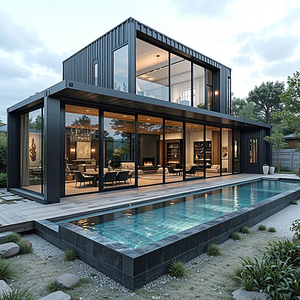
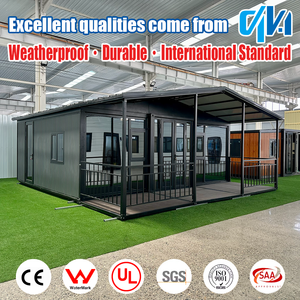
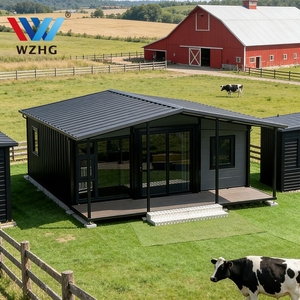


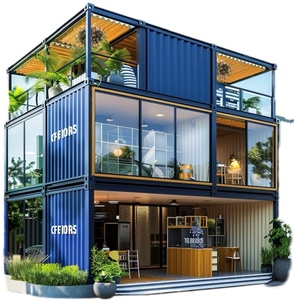
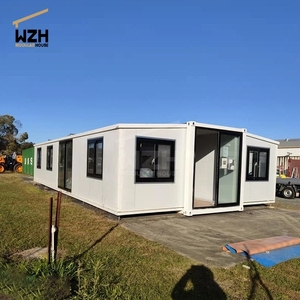
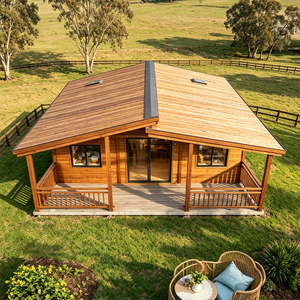
Benchmarked against rigorous North American DOT transport criteria and Illinois structural codes.
Executive Whitepaper Overview: Greater Chicago stands as the logistical heartbeat of North America. As the intersection of six Class I railroads, Interstate corridors (I-90, I-80, I-55), and major inland ports, Chicago equipment trailer factories must adhere to uncompromising structural standards. Modern industrial demand has shifted from simple flatbed haulers to highly engineered, versatile mobile platforms—including expandable container trailers, heavy machine transport beds, and modular site infrastructure units.
For decades, traditional equipment trailer factories in Chicago focused primarily on standard beam trailers, goosenecks, and utility flatbeds. However, the convergence of urban construction density, escalating field labor costs, and extreme Midwestern climate swings has created a paradigm shift toward multi-functional expandable trailer platforms and integrated mobile enclosures.
Modern equipment trailer engineering in Cook County and the surrounding Illinois manufacturing corridors now incorporates structural steel sub-frames engineered for high yield strength (ASTM A572 Grade 50), anti-corrosive hot-dip galvanization, and dual-purpose folding wall mechanisms. These advancements allow heavy machinery, mobile control labs, construction site offices, and temporary residential quarters to be towed at highway speeds as ISO-compliant freight packages and expanded on site within hours.
Equipment trailers operating out of Chicago must withstand some of the most aggressive environmental stressors in North America. Winter road de-icing agents (calcium chloride and rock salt), freeze-thaw cycles, sub-zero temperatures, and heavy snow loads demand specialized fabrication methodologies:
| Performance Criteria | Standard Heavy Equipment Trailer | Expandable Container Equipment Trailer | Multi-Storey Modular Transport Units |
|---|---|---|---|
| Primary Application | Machinery & Material Hauling | Mobile Command, Site Office, Living | High-Density Crew Quarters & Apartments |
| Transport Footprint | 8.5 ft x 20 ft - 40 ft | 8.0 ft x 20 ft - 40 ft (Folded ISO) | Custom Heavy Steel Modular Sections |
| Expanded Usable Area | Flatbed surface area only | 370 sq.ft to 770 sq.ft (Triple Footprint) | Multi-level stackable footprint |
| Deployment Speed | Immediate offloading | 1 to 2 Hours (2-person crew) | 1 to 3 Days Crane Setup |
| Insulation & Finish | Open Frame / Uninsulated | Factory Finished, Kitchen/Bath, HVAC | Full Commercial Interior Fit-Out |
| Relocation Capability | High (Standard Towing) | High (Standard Towing or Crane-to-Truck) | Moderate (Requires Dedicated Rigging) |
From suburban infrastructure developments in Naperville and Schaumburg to heavy logistics hubs near O'Hare and the Port of Indiana, our trailer units solve critical operational needs.
Urban construction sites in Downtown Chicago often lack space for permanent site offices. Our expandable 20ft and 40ft trailer units provide climate-controlled, ready-to-use site management offices, complete with electrical distribution and sanitation, deployed in under two hours.
Positioned near major intermodal yards along the I-80 and I-55 corridors, mobile equipment trailers serve as rapid-dispatch diagnostic hubs, mobile parts inventories, and breakdown response centers for commercial logistics fleets.
In agricultural regions surrounding Kankakee, Rockford, and DeKalb, heavy machinery operators utilize custom equipment trailers paired with portable modular crew housing for seasonal harvesting, field repair, and off-grid operational bases.
The Chicago industrial equipment landscape is undergoing rapid modernization driven by three key factors:
Our manufacturing framework is built on precision engineering, material transparency, and end-to-end quality control.
Every expandable trailer frame and modular building chassis undergoes rigorous finite element stress analysis. Built with high-strength structural steel and hot-dip galvanization, our units resist fatigue under continuous heavy road transport.
Unlike generic trailer factories that charge high premiums for exterior upgrades, our standard builds include heavy-duty weather-resistant architectural cladding as a factory baseline, guaranteeing superior aesthetics and longevity.
Units leave the assembly floor fully fitted with electrical wiring, insulated ceiling/wall panels, modern joinery, full bathroom amenities, and secure double-glazed windows—ready for immediate connection to site utilities.
Answers to common questions asked by commercial buyers, fleet managers, and project contractors.
All equipment trailers and expandable container modules are designed to fold into standard ISO transport dimensions (8ft width, standard freight height). This allows them to travel legally across Illinois state highways and interstate corridors without requiring oversized load permits or pilot vehicles.
Our expandable container trailers and modular units feature high-density thermal insulation (polyurethane/EPS sandwich panels), double-glazed thermal break windows, and insulated floor structures. They maintain comfortable indoor operating temperatures even during sub-zero Midwest winter conditions.
No full concrete slab pour is required. A compacted gravel pad, concrete footings, or level piers are sufficient. The unit is placed via crane, hiab truck, or rolled into place on its custom trailer chassis, then unfolded and leveling jacks deployed.
Yes. We engineer purpose-built heavy-duty trailer chassis specifically matched to 20ft and 30ft expandable units. This enables repeat relocation across multiple job sites without needing a dedicated crane for every move.
Standard configurations ship within predictable freight windows. Because units are factory-assembled with pre-installed kitchen, bathroom, and wiring components, site commissioning takes less than one day upon arrival.