Sydney · 0402 531 010 Talk To Us
Precision-engineered plant trailers, heavy machinery transporters, and expandable modular field units customized for civil engineering projects across Metropolitan Mexico City (CDMX).
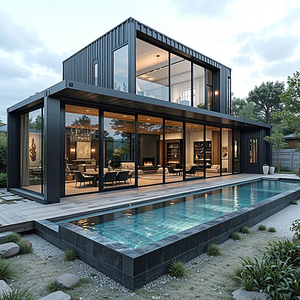
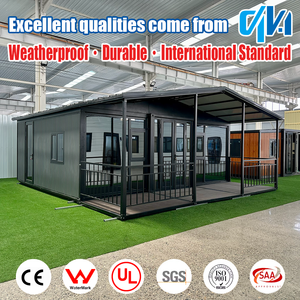
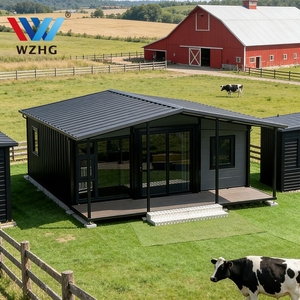
Operating heavy plant machinery and mobile infrastructure within the Metropolitan Area of Mexico City (Valle de México) presents a distinct matrix of mechanical, geographical, and regulatory challenges. As one of the world's most elevated megacities, sitting at an average altitude of 2,240 meters (7,350 feet) above sea level, CDMX demands specialized transport equipment engineered to compensate for reduced atmospheric pressure, steep volcanic incline gradients, and intense urban traffic congestion.
For civil engineering firms, mining contractors, municipal development authorities, and machinery rental fleets, procuring high-capacity plant trailers from certified international exporters requires evaluating far more than nominal deck length and static load ratings. Structural yield strength, dual-line pneumatic braking response times, multi-axle load distribution, and anti-corrosive surface treatment under variable microclimates are paramount to ensuring operational longevity and safety compliance under Mexican federal transit laws.
The urban topography of Mexico City—stretching from the soft, compressible lacustrine clay soils of the former lakebed in Iztapalapa and Venustiano Carranza to the rocky basaltic volcanic slopes of Alvaro Obregón and Cuajimalpa—creates highly localized logistics demands. Plant trailer manufacturers must configure equipment specifically suited to these distinct zones:
The massive surge in global manufacturing relocation—commonly referred to as the Nearshoring Boom in Mexico—has fundamentally reshaped the logistics and heavy equipment landscape in the central region. Key structural developments driving the plant trailer export sector include:
As a leading international manufacturer and exporter of heavy-duty transport trailers, expandable container units, and specialized site logistics systems, our enterprise delivers uncompromised structural reliability backed by global engineering standards. Built on decades of manufacturing excellence, our plant trailers and modular site systems offer concrete advantages for Mexican commercial buyers:
Orders destined for Central Mexico are packed into standard ISO sea containers or flat-rack containers depending on overall dimensions. Ships dock at port hubs such as Veracruz (ideal for CDMX east access) or Manzanillo (Pacific route). From the port, units are loaded onto flatbed trailers or directly towed via federal highways into the Valley of Mexico.
Importation requires a commercial invoice, bill of lading (B/L), packing list, certificate of origin (to leverage applicable trade agreements), and compliance documentation for SCT regulations (Normas Oficiales Mexicanas). Our export team provides a full export documentation package to ensure rapid customs clearing through your designated Mexican customs broker (Agente Aduanal).
Yes. Trailers engineered for the Mexican market feature reinforced dual-line pneumatic braking systems with ABS/EBS, high-coefficient friction linings, and heavy-duty mechanical or air suspension designed to handle continuous downhill braking torque and high mountain elevations without thermal brake fade.
Absolutely. We manufacture custom gooseneck lowbeds, drop-deck trailers, and extendable plant trailers with outrigger side brackets to accommodate wide-track machinery, extra-long boom arms, and high-tonnage industrial equipment.
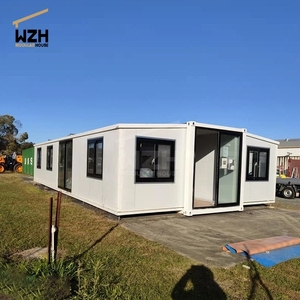
Expandable site offices require only a level compacted gravel pad, concrete footings, or corner piers. No permanent concrete slab pour is needed. Units can be unfolded and structurally locked in place within 1 to 2 hours by a two-person crew, ready for immediate power and utility hookup.
Speak directly with our heavy transport engineering specialists to discuss payload specifications, custom chassis options, pricing, and factory-direct sea freight schedules to Mexico.